Individualized Approach:
- Sports nutrition emphasizes the importance of tailoring dietary recommendations to the individual needs of athletes. Every athlete has unique requirements based on factors such as age, gender, body composition, training intensity, and specific sport-related demands. An individualized approach allows for more precise nutrient timing, portion control, and overall dietary strategies to optimize performance and recovery.
Macronutrient Balance:
- Proper distribution and balance of macronutrients—carbohydrates, proteins, and fats—are fundamental in sports nutrition. Carbohydrates are crucial for energy, proteins support muscle repair and growth, and fats play a role in overall health and serve as an additional energy source. The specific ratio of macronutrients varies based on the type of sport, training phase, and individual goals.
Hydration is Key:
- Hydration is a cornerstone of sports nutrition, impacting performance, recovery, and overall well-being. Maintaining proper fluid balance is essential for temperature regulation, nutrient transport, and joint lubrication. Athletes are encouraged to develop personalized hydration plans considering factors such as sweat rate, environmental conditions, and individual tolerance. Electrolyte replacement may also be necessary during prolonged or intense exercise to prevent imbalances.
Nutrient Timing Matters:
- The timing of nutrient intake, often referred to as nutrient timing, is a critical aspect of sports nutrition. Timing meals and snacks around training sessions and competitions can impact energy levels, muscle glycogen replenishment, and recovery. Pre-exercise nutrition ensures adequate fuel, intra-exercise nutrition sustains energy levels, and post-exercise nutrition supports recovery by replenishing glycogen stores and aiding muscle repair. The strategic timing of macronutrient intake contributes to optimizing performance outcomes.
Thursday, December 28, 2023
What are 4 facts about Sports Nutrition?
Tuesday, December 19, 2023
What Happens When You Start Strength Training Women?
When women start strength training, they undergo various physiological and psychological changes that contribute to improved overall health, fitness, and body composition. Here are some notable effects that often occur when women begin strength training:
Increased Muscle Mass:
- Strength training stimulates muscle hypertrophy, leading to an increase in muscle mass. While women may not experience the same extent of muscle growth as men due to differences in hormonal profiles, they can still achieve noticeable improvements in muscle tone and definition.
Fat Loss and Weight Management:
- Strength training contributes to fat loss and weight management by increasing the metabolic rate. As lean muscle mass increases, the body requires more energy at rest, helping to burn more calories throughout the day.
Improved Metabolism:
- Regular strength training enhances the basal metabolic rate, which is the number of calories the body burns at rest. This can be beneficial for weight control and may contribute to long-term weight loss.
Enhanced Strength and Power:
- Strength training significantly improves muscular strength and power. Women often experience a boost in their ability to perform daily activities, such as lifting objects, climbing stairs, and carrying groceries.
Bone Health:
- Weight-bearing exercises inherent in strength training, such as squats and deadlifts, stimulate bone density and help prevent osteoporosis. This is particularly important for women, as they are more prone to bone density issues as they age.
Improved Joint Health:
- Strengthening the muscles around joints provides better support and stability, reducing the risk of injuries and promoting joint health.
Enhanced Body Composition:
- Strength training contributes to a favorable shift in body composition, increasing lean muscle mass while reducing body fat percentage. This can lead to a more toned and sculpted physique.
Increased Confidence:
- Achieving strength and fitness goals through consistent training can boost self-confidence. Women often find a sense of empowerment as they witness their physical capabilities and strength progress.
Better Posture:
- Strengthening the muscles of the back, core, and lower body can lead to improved posture. This not only enhances aesthetics but also reduces the risk of back pain and discomfort.
Mood and Mental Health Benefits:
- Exercise, including strength training, releases endorphins, which are known as "feel-good" hormones. This can contribute to improved mood, reduced stress, and better mental well-being.
Hormonal Regulation:
- Strength training can help regulate hormonal balance, including insulin sensitivity and hormone levels associated with menstrual health. This is particularly relevant for women dealing with conditions like polycystic ovary syndrome (PCOS).
It's essential for women to approach strength training with proper form, progression, and a well-rounded program that addresses different muscle groups. Consulting with a fitness professional or personal trainer can provide personalized guidance and ensure a safe and effective strength training journey.
Tuesday, August 8, 2023
Monday, July 17, 2023
Wednesday, June 21, 2023
Glutes Exercises: How Long Does It Take to Strengthen Weak Glutes? #glutesworkout #glutes #glute_workout #...
Strengthen Weak Glutes: How Long Does It Take?
Weak glutes can lead to various issues, including poor posture, lower back pain, and reduced athletic performance. Strengthening these muscles is crucial for overall lower body function and stability. In this article, we'll explore how long it takes to strengthen weak glutes and provide tips for effective glute strengthening exercises.
Understanding Glute Weakness Before discussing the timeline for strengthening weak glutes, it's essential to understand the factors contributing to glute weakness. Sedentary lifestyle, prolonged sitting, improper exercise form, and muscle imbalances are common causes of weak glutes. Additionally, genetics and injury history may also play a role.
Timeline for Strengthening Weak Glutes The timeline for strengthening weak glutes varies from person to person and depends on factors such as the severity of weakness, consistency with exercises, and individual body response. However, with a structured exercise program and proper guidance, significant improvements can be seen within 4 to 6 weeks.
Effective Glute Strengthening Exercises
- Hip Thrusts: This exercise targets the gluteus maximus and helps improve hip extension strength. Start with bodyweight hip thrusts and gradually add resistance with weights or resistance bands.
- Glute Bridges: Similar to hip thrusts, glute bridges engage the glute muscles and also activate the core and hamstrings. Focus on squeezing the glutes at the top of the movement.
- Squats: Squats are compound exercises that work multiple lower body muscles, including the glutes. Ensure proper form and depth to effectively engage the glute muscles.
- Lunges: Lunges target each leg individually, helping to address muscle imbalances and strengthen weak glutes. Variations such as reverse lunges and walking lunges are effective choices.
- Clamshells: This exercise targets the gluteus medius, which is often neglected but essential for hip stability. Lie on your side with knees bent and feet together, then open and close the top knee while keeping the hips stacked.
Tips for Success
- Consistency is key: Perform glute strengthening exercises at least 2-3 times per week to see progress.
- Gradually increase intensity: Start with lighter resistance and gradually increase as your strength improves.
- Focus on form: Proper exercise form ensures that you're effectively targeting the glute muscles and reducing the risk of injury.
- Listen to your body: Pay attention to how your body responds to exercise and adjust intensity or volume as needed to prevent overtraining or injury.
Conclusion While the timeline for strengthening weak glutes varies, consistent effort and proper exercise selection can lead to noticeable improvements within a few weeks. Incorporate these glute strengthening exercises into your routine and stay committed to achieving stronger, healthier glutes.
Sunday, May 28, 2023
5 Best Exercises for a Flat Stomach
Top 5 Exercises for a Flat Stomach
Achieving a flat stomach requires a combination of proper nutrition, cardiovascular exercise, and targeted abdominal workouts. Incorporating the right exercises into your fitness routine can help strengthen your core muscles and promote a toned midsection. Here are the top five exercises for a flat stomach:
Plank: The plank is a fundamental core exercise that engages multiple muscles, including the rectus abdominis, transverse abdominis, and obliques. To perform a plank, start in a push-up position with your hands directly under your shoulders and your body forming a straight line from head to heels. Hold this position for 30-60 seconds, focusing on keeping your core tight and avoiding sagging or arching your back.
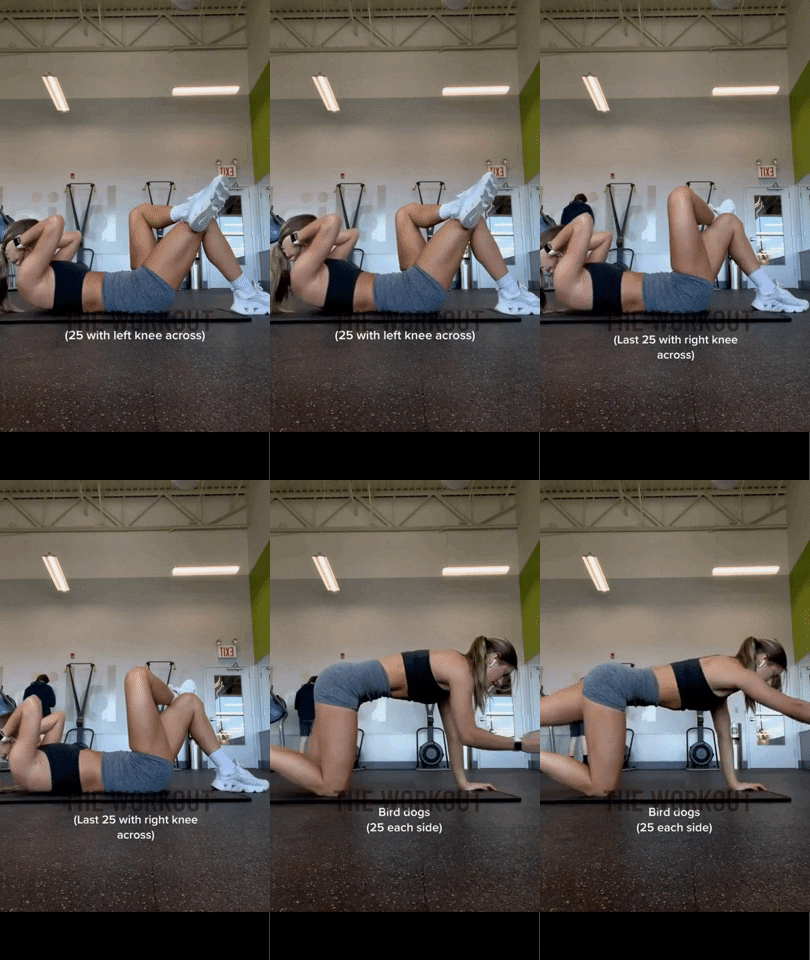
Bicycle Crunches: Bicycle crunches are an effective exercise for targeting the obliques and rectus abdominis. To perform bicycle crunches, lie on your back with your hands behind your head and your knees bent. Lift your shoulders off the ground and bring your right elbow towards your left knee while straightening your right leg. Alternate sides in a pedaling motion, bringing your left elbow towards your right knee. Aim for 10-15 reps on each side.
Russian Twists: Russian twists target the obliques and improve rotational stability. Sit on the ground with your knees bent and your feet flat on the floor. Lean back slightly and lift your feet off the ground, balancing on your glutes. Hold a weight or medicine ball with both hands and twist your torso to the right, touching the weight to the ground beside your hip. Return to the center and twist to the left. Aim for 10-15 reps on each side.
Mountain Climbers: Mountain climbers are a dynamic exercise that engages the entire core while also providing a cardiovascular challenge. Start in a plank position with your hands directly under your shoulders. Drive one knee towards your chest, then quickly switch legs, alternating back and forth in a running motion. Aim for 30-60 seconds of continuous movement.
Leg Raises: Leg raises target the lower abdominals and hip flexors. Lie on your back with your legs extended and your hands under your glutes for support. Keeping your core engaged, lift your legs off the ground until they form a 90-degree angle with your torso. Slowly lower your legs back down towards the ground without letting them touch, then lift them back up. Aim for 10-15 reps.
Incorporate these exercises into your regular workout routine to strengthen your core muscles and work towards a flat stomach. Remember to combine them with a balanced diet and regular cardiovascular exercise for best results.
The Beginner’s Guide to Launching a Profitable Short-Term Rental Business For Beginners
The Beginner’s Guide to Launching a Profitable Short-Term Rental Starting a short-term rental (STR) business is one of the fastest ways to...
-
Acupressure Points For Nausea And Anxiety: A Self-Care Guide for Pain Relief, Trauma, Stress, & Common Emotional Acupressure is o...
-
How To Do a Liver Cleanse? You will find two major types associated with fatty liver disease — alcohol-induced and nonalcoholic fat...
-
Buying your first investment property is exhilarating, promising passive income, building wealth, and achieving financial freedom. However...
.gif)

.gif)


.jpg)

.gif)