Friday, May 5, 2023

How Do You Keep Skin Tight While Losing Weight?


How to Keep Skin Tight While Losing Weight: Tips and Strategies


Losing weight is a significant achievement, but it can sometimes lead to loose or sagging skin, especially if the weight loss is rapid or substantial. While loose skin is a common concern for many individuals, there are steps you can take to help improve skin elasticity and minimize sagging. In this article, we'll explore some effective strategies for keeping skin tight while losing weight.

1. Gradual Weight Loss:
One of the most important factors in preventing loose skin is to lose weight gradually. Rapid weight loss can lead to a loss of skin elasticity and increase the likelihood of sagging. Aim for a gradual weight loss of 1-2 pounds per week to give your skin time to adjust to changes in body composition.

2. Stay Hydrated:
Proper hydration is essential for maintaining skin elasticity. Drink plenty of water throughout the day to keep your skin hydrated and supple. Dehydrated skin is more prone to sagging, so aim to drink at least 8-10 glasses of water daily.

3. Eat a Nutrient-Rich Diet:
A diet rich in essential nutrients can help support skin health and elasticity. Include plenty of fruits, vegetables, lean proteins, and healthy fats in your diet to provide your skin with the vitamins and minerals it needs to stay firm and resilient. Foods high in antioxidants, such as berries, spinach, and nuts, can also help protect the skin from damage caused by free radicals.

4. Build Muscle:
Strength training exercises can help build muscle mass and improve skin tone, which can help reduce the appearance of loose skin. Incorporate resistance training exercises into your workout routine at least 2-3 times per week to target major muscle groups. Focus on compound exercises like squats, lunges, deadlifts, and chest presses to maximize muscle growth.

5. Use Skin-Firming Products:
While there is limited scientific evidence to support the effectiveness of skin-firming creams and lotions, some people find that these products can help improve skin elasticity and firmness. Look for products containing ingredients like retinol, collagen, hyaluronic acid, and vitamin C, which have been shown to support skin health.

6. Protect Your Skin from the Sun:
Exposure to ultraviolet (UV) rays from the sun can damage the skin's collagen and elastin fibers, leading to premature aging and sagging. Protect your skin by wearing sunscreen with a high SPF rating whenever you're outdoors, and try to avoid prolonged sun exposure, especially during peak hours.

7. Consider Nonsurgical Treatments:
If you're struggling with loose skin despite following these tips, you may want to consider nonsurgical treatments such as radiofrequency therapy, laser therapy, or ultrasound therapy. These procedures can help tighten and firm the skin by stimulating collagen production and improving skin texture.

Conclusion:
While loose skin is a common concern for individuals who have lost weight, there are steps you can take to help improve skin elasticity and minimize sagging. By following a gradual weight loss plan, staying hydrated, eating a nutrient-rich diet, building muscle, using skin-firming products, protecting your skin from the sun, and considering nonsurgical treatments, you can help keep your skin tight and firm as you lose weight. As always, consult with a healthcare professional before making any significant changes to your diet or exercise routine.


Monday, April 24, 2023

How to Get a Flat Lower Stomach? #shorts #fitness #workout

How to Get a Flat Lower Stomach?


Achieving a Flat Lower Stomach: Effective Strategies and Exercises


For many individuals, achieving a flat lower stomach is a common fitness goal. Excess fat and bloating in this area can be frustrating and impact self-confidence. While spot reduction isn't possible, adopting a comprehensive approach that includes diet, exercise, and lifestyle changes can help you achieve your desired results. In this article, we'll explore practical strategies and effective exercises to help you attain a flat lower stomach.

1. Focus on Nutrition:
A healthy diet is essential for reducing belly fat and achieving a flat lower stomach. Incorporate whole foods like fruits, vegetables, lean proteins, whole grains, and healthy fats into your meals. Avoid processed foods, sugary snacks, and excessive alcohol consumption, as they can contribute to abdominal bloating and fat accumulation.

2. Stay Hydrated:
Drinking an adequate amount of water is crucial for maintaining proper digestion and reducing bloating. Aim to drink at least 8-10 glasses of water per day to stay hydrated and flush out toxins from your body.

3. Incorporate Cardiovascular Exercise:
Cardiovascular exercises like running, cycling, swimming, or brisk walking can help burn calories and reduce overall body fat, including in the lower stomach area. Aim for at least 30 minutes of moderate-intensity cardio most days of the week to support weight loss and improve overall fitness.

4. Include Core-Strengthening Exercises:
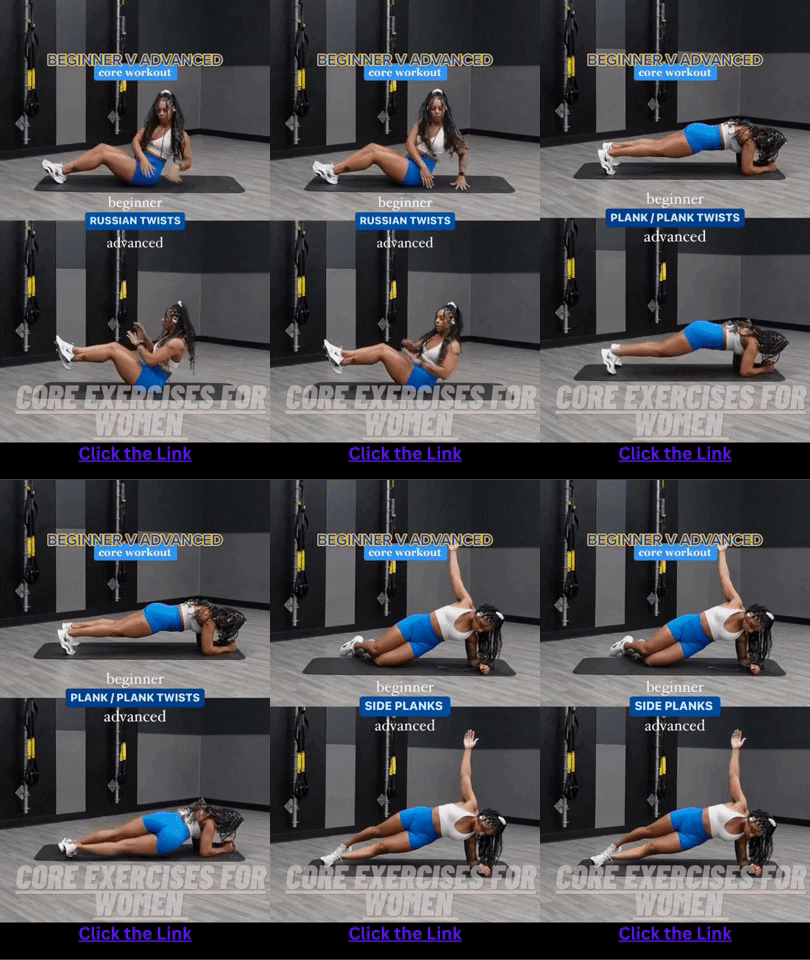
Targeted exercises that engage the muscles of the lower abdomen are key to achieving a flat stomach. Incorporate exercises like plank variations, leg raises, bicycle crunches, and mountain climbers into your workout routine to strengthen your core and tone your lower abs.

5. Practice Good Posture:
Maintaining proper posture can help elongate your midsection and create the appearance of a flatter stomach. Focus on standing and sitting up straight, engaging your core muscles to support your spine and pelvis.

6. Get Adequate Sleep:
Getting enough rest is essential for overall health and weight management. Aim for 7-9 hours of quality sleep per night to allow your body to recover and recharge.

7. Manage Stress:
Chronic stress can lead to increased cortisol levels, which may contribute to abdominal weight gain. Practice stress-reduction techniques such as meditation, deep breathing exercises, or yoga to help manage stress levels and promote overall well-being.

By incorporating these strategies into your daily routine, you can work towards achieving a flat lower stomach and improving your overall health and fitness. Remember to be patient and consistent, as results may take time to appear.


Thursday, March 16, 2023

How long does it take to lose 10 pounds with HIIT? #shorts #cardio #hiit


The time it takes to lose 10 pounds with High-Intensity Interval Training (HIIT) can vary based on several factors, including your starting weight, fitness level, diet, and overall lifestyle. Weight loss is influenced by the principle of creating a calorie deficit, where you burn more calories than you consume. Here are some general considerations:

  1. Caloric Deficit:

    • To lose 1 pound, you generally need a calorie deficit of approximately 3,500 calories.
    • Therefore, to lose 10 pounds, you would aim for a deficit of around 35,000 calories.
  2. Caloric Expenditure with HIIT:

    • HIIT is known for its ability to burn a significant amount of calories in a relatively short time due to its intensity.
    • The exact caloric expenditure depends on factors like workout intensity, duration, and your individual metabolism.
  3. Consistency and Frequency:

    • Consistency is crucial. Regular, sustained effort over time is more effective than sporadic intense workouts.
    • Aim for at least 3-4 HIIT sessions per week.
  4. Dietary Habits:

    • Your diet plays a significant role in weight loss. Combining HIIT with a balanced, calorie-controlled diet is essential.
    • Be mindful of portion sizes, choose nutrient-dense foods, and stay hydrated.
  5. Individual Factors:

    • Individual responses to exercise and diet vary. Factors such as genetics, hormonal balance, and metabolism can influence weight loss.
  6. Realistic Expectations:

    • A safe and sustainable rate of weight loss is generally considered to be 1-2 pounds per week.
    • Rapid weight loss may not be healthy or sustainable in the long term.
  7. Consult a Professional:

    • It's advisable to consult with a healthcare or fitness professional to create a personalized plan based on your health status and goals.

Keep in mind that while HIIT is effective for burning calories and improving cardiovascular health, weight loss also requires attention to overall lifestyle, including sleep, stress management, and dietary habits. Focus on making long-term, sustainable changes to promote overall health and well-being. Results will vary among individuals, so it's important to be patient and realistic in your expectations.


The Beginner’s Guide to Launching a Profitable Short-Term Rental Business For Beginners

  The Beginner’s Guide to Launching a Profitable Short-Term Rental Starting a short-term rental (STR) business is one of the fastest ways to...